Dewey Lab
How do climate and land-use change affect the storage and fate of carbon, nutrients, and metals in soils and sediments?
In the Dewey Lab, we tackle this question by studying soils, sediments, and aquatic systems at multiple scales—from molecular mechanisms to ecosystem processes. Our research focuses on understanding how dissolved organic matter, nutrients, and metals transform and move through changing environments.
Our Approach
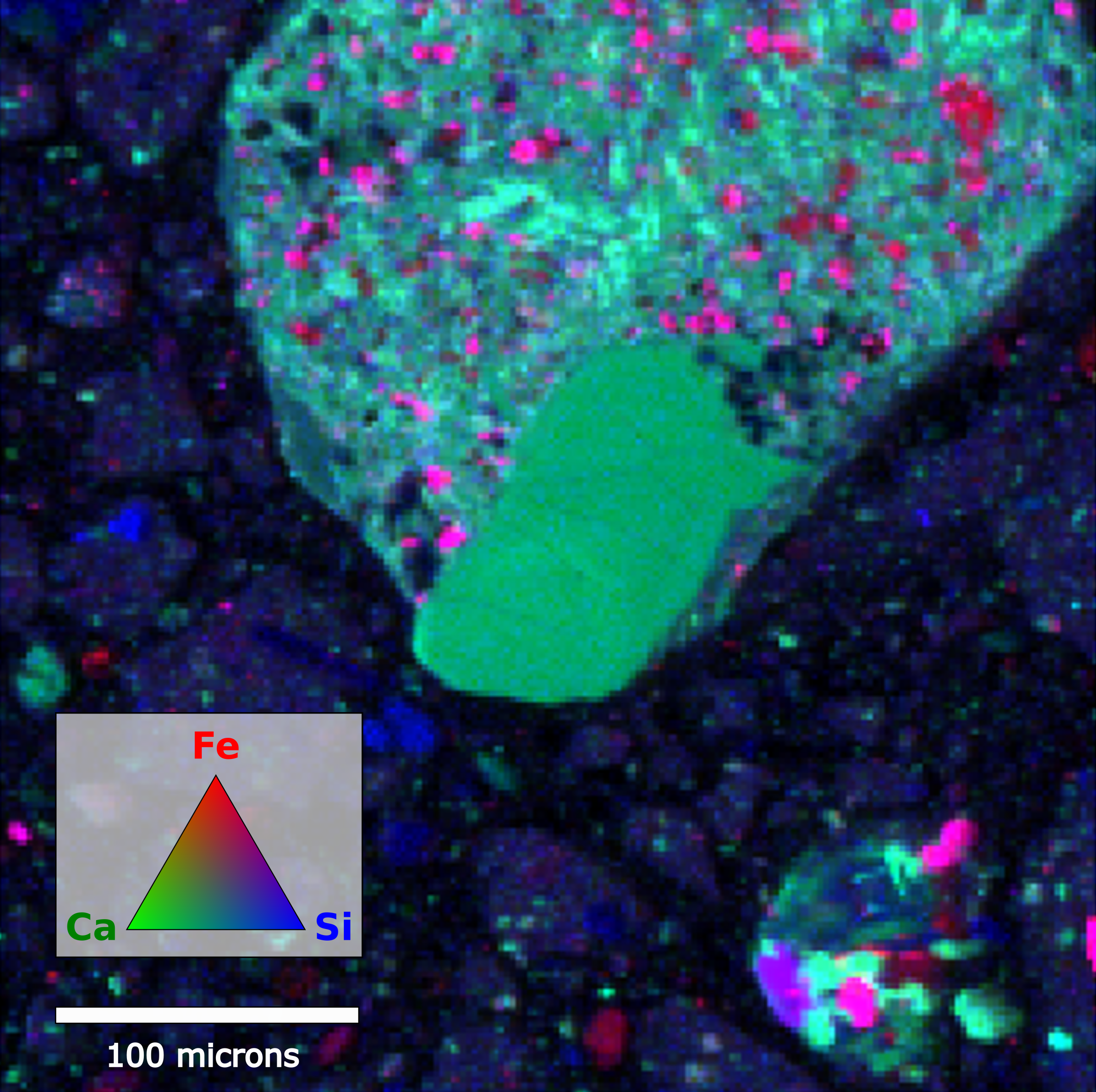
We integrate field investigations with advanced analytical chemistry and computational modeling. Using high-resolution mass spectrometry, X-ray absorption spectroscopy, and reactive transport models, we examine how hydrologic, biological, and chemical processes interact to control biogeochemical transformations.
Research Systems
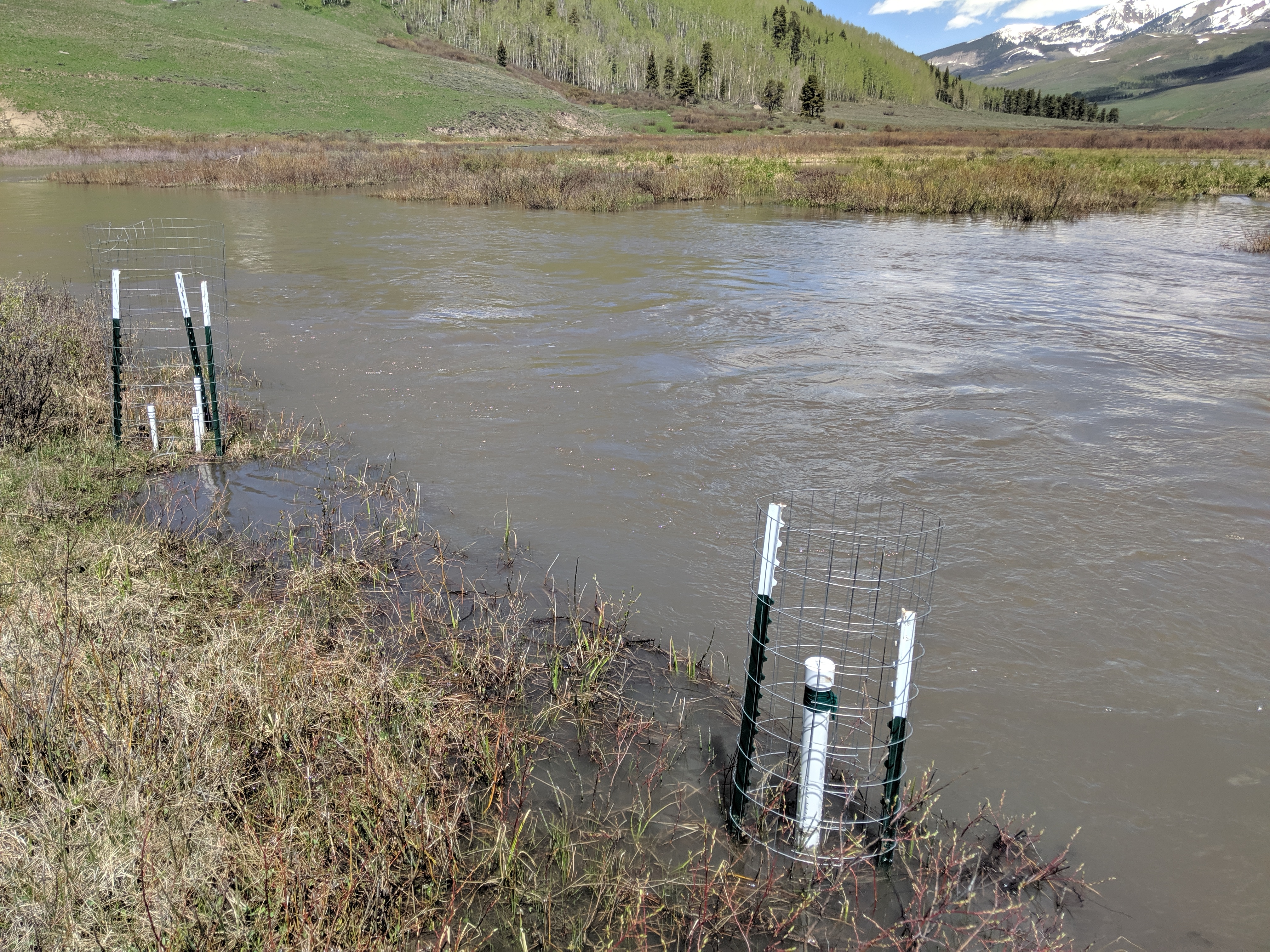
Our work spans diverse environments including coastal wetlands, agricultural soils, and riparian zones—systems at the forefront of global environmental change.
Explore our current research projects or meet the team.